
UCH: A Nigerian Teaching Hospital Was in Darkness for Over 100 Days, Rendering Nurses and Doctors Helpless.
Patients and Families Want Answers.
Neusroom investigates.
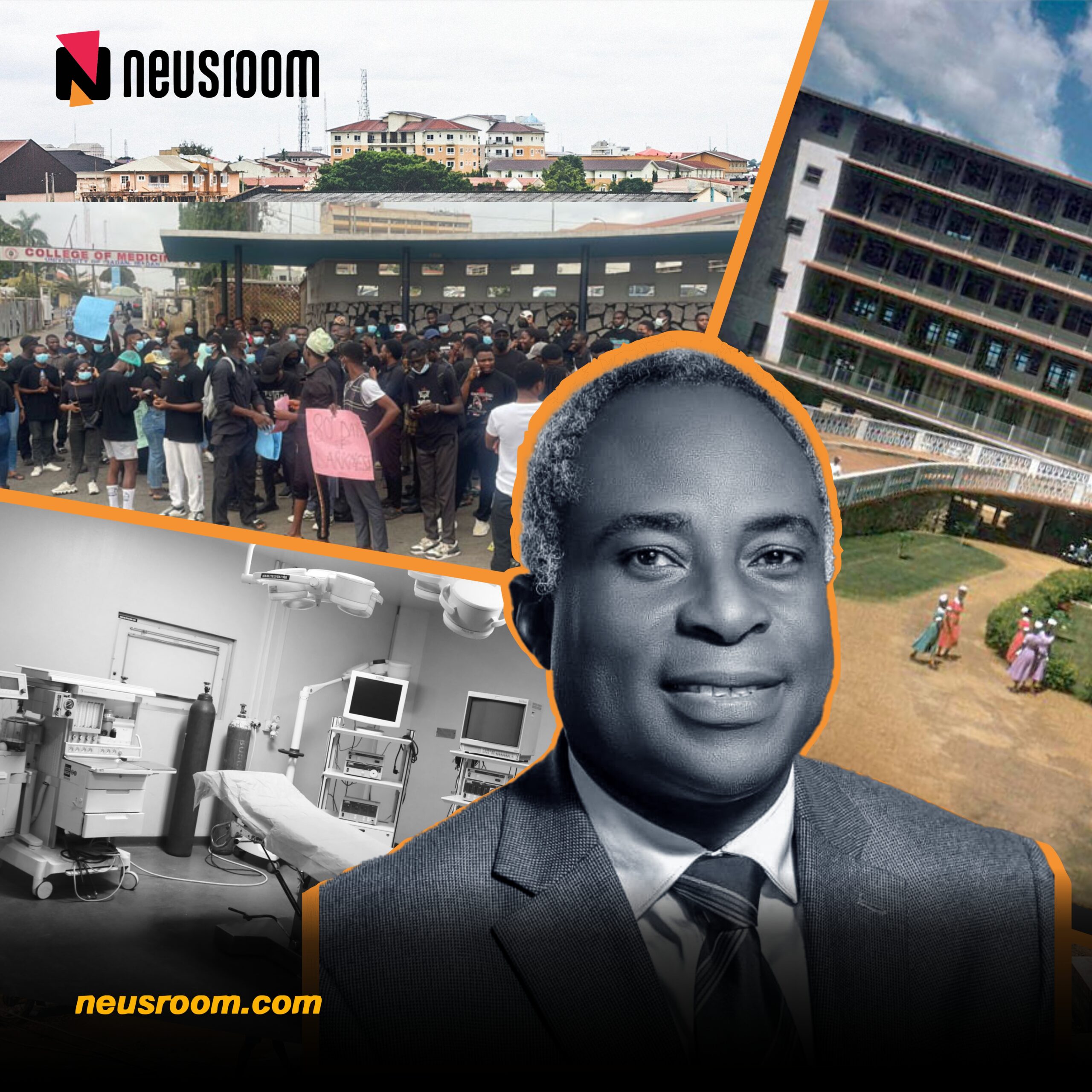
Neusroom investigates the prolonged lack of power supply at Nigeria’s 1st teaching hospital, the University College Hospital (UCH) Ibadan. This story is a result of research, investigations, interviews, and analysis, including anonymised quotes and insights from sources worried about possible official reprimand.
Written by Tomiwo Ojo for Neusroom
March 12, 2025
For more than a hundred excruciating days, the University College Hospital (UCH) in Ibadan, Nigeria’s first teaching hospital, plunged patients, doctors, and students into a harrowing struggle for survival. While many people think of a hospital as a place to get well, and a teaching hospital as one of the most reliable places to get help, in many parts of Nigeria, Africa’s most populous country and the continent’s global giant, it has now increasingly become a place where people go to die.
For the concluding parts of 2024 and the beginning of 2025, there was a high chance you would die if you sought treatment at the UCH in West Africa’s largest city because of a combination of compounding issues, including basic, avoidable yet disastrous ones as lack of power supply.
Inspired by the University College Hospital in London, UCH was opened by Her Royal Majesty, Queen Elizabeth II, during her visit to Nigeria in 1956. However, it opened to the public on November 20, 1957, after an elaborate ceremony with Alice Mary, the Princess Royal, Chief Ladoke Akintola, the Federal Minister of Health, and Hon. Shettima Kashim, the Federal Minister of Education in attendance.
Affiliated to Nigeria’s first university, the University College, Ibadan (Now the University of Ibadan), UCH was created to, according to the mission of the founding board, ‘be a consultant medical centre for the whole country and from the hospital, will go out highly qualified doctors for the service throughout Nigeria.’ The hospital quickly became one of the most respected in Africa, with almost every teaching hospital on the continent drawing inspiration from it.
But, as many institutions in Nigeria have faced decay over the past decades, essential facilities like UCH have not been immune and Neusroom journalists sought to investigate the particular case of UCH. The following story is a result of research, investigations, interviews, and analysis over a period of three weeks, including anonymised quotes and insights from sources worried about possible official reprimand.
For about three consecutive months, one of Nigeria’s biggest hospitals was cloaked in darkness—a darkness caused by a clash of egos, decadent mismanagement, and an indifferent nation. During this period, patients, doctors, and students protested at one point, an indictment to the hospital management and the nation at large.
Neusroom sought to understand the tragic chain of decisions that caused the power crisis and its impact on the stakeholders in the hospital. The account of patients, doctors, and students who spoke to Neusroom under the condition of anonymity to protect relationships and avoid sanctions paints a bleak picture of a system crisis where infrastructure decay, bureaucratic indifference, and financial mismanagement continue to converge to endanger lives.
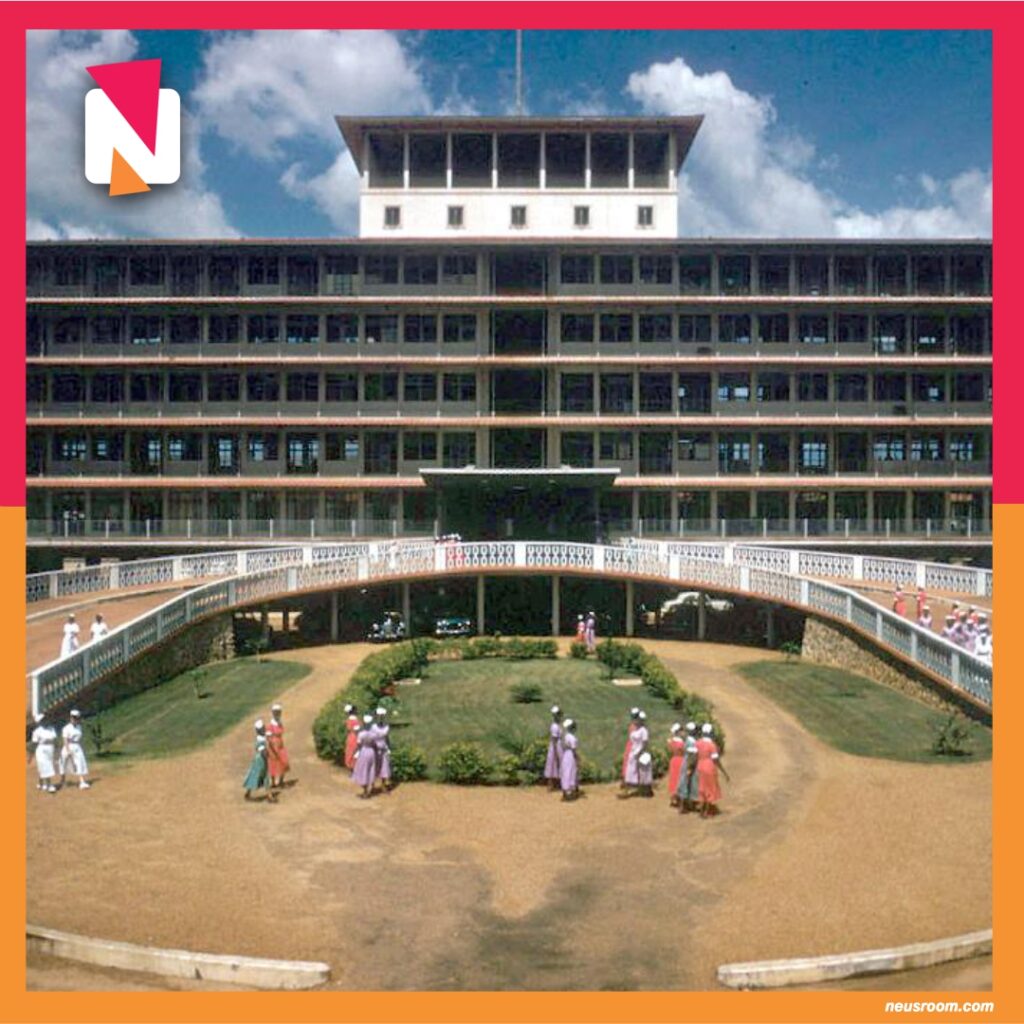
UCH Ibadan in 1959 (Photo from Eliot Elisofon Photographic Archives)
What began as a routine visit for treatment turned tragic for a promising young woman pursuing her post-graduate degree at the University of Ibadan. The usual medications for her Myenteric ganglionitis, a bowel obstruction, did not quell the pain she felt the fateful night she went to UCH for treatment, only to encounter a system in crisis. She needed an exploratory laparotomy, an investigative surgery to open up the abdomen and find the cause of her pain that testing could not diagnose, but she was on an unusually long wait list for surgery in UCH. Although she was advised (against the hospital policy) to seek help somewhere else, she refused or could not afford to, and she died because of it.
Disconnection from the National Grid over unpaid debts
Ibadan Electricity Development Company (IBEDC), still reeling from the insolvency that led to its takeover by Asset Management Corporation of Nigeria (AMCON) in 2022 and slated for eventual sale, had a payment arrangement with the UCH to pay its debt of over 2 billion Naira ($1.33 million). Sources familiar with the situation who spoke to Neusroom explained that the hospital received bills of over 50 to 60 million Naira monthly, and the hospital simply could not afford to pay them.
The bill is killing. IBEDC put UCH on Band A, but we can’t afford the bill of Band A. This is why the hospital management told the company to remove UCH from Band A and put it in Band B. But it (IBEDC) did not, Mr Oladayo Olabampe, the Chairman of the UCH branch of the Joint Health Sector Union (JOHESU), an umbrella organisation for health workers’ unions and associations in Nigeria, said in a statement in November 2024.
Sources claim that UCH Chief Medical Director, Professor J.A Otegbayo refused to accept that the money owed to IBEDC was as high as the disco claimed, and there was a stalemate in negotiations while the debt continued to rise. So on 26 October 2024, the IBEDC, a company desperate to raise money, disconnected UCH from the national grid over an outstanding debt of approximately N400 million ($265,000), part of a staggering N3.1 billion ($2.1m) accumulated bill since 2019.
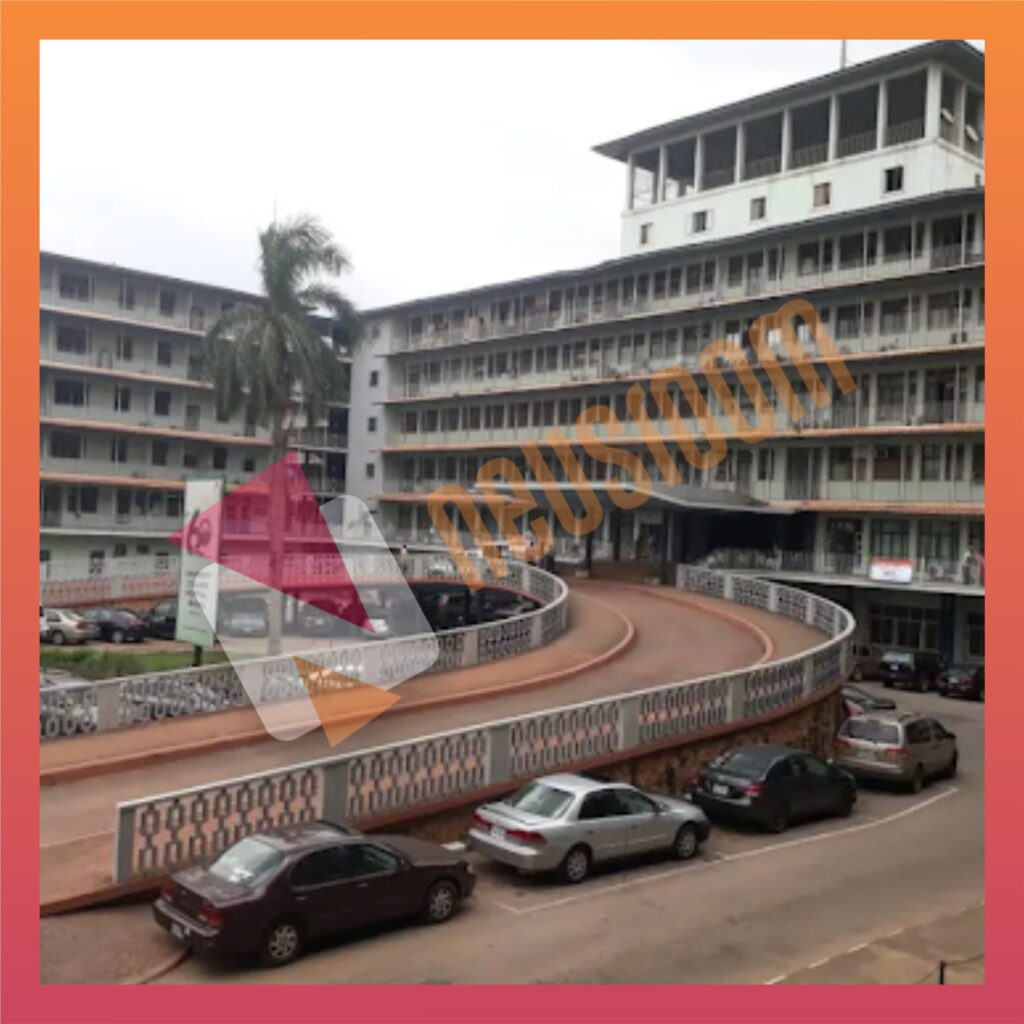
The entrance to UCH main building (Photo from UCH)
The ensuing blackout became an inadvertent gamble with people’s lives. “It felt like we were just trying to play smart and gambling with people’s lives,” confided a senior practitioner at UCH when asked how doctors and nurses managed during those relentless days of darkness. The UCH had experienced power outages for days at a stretch before, even as long as seventeen days, but not for so many consecutive days.
At first, we tried to do the ‘Nigerian thing’, which is to adapt. We found a way to get things done because we did not think it would last as long as it did.
But it soon became unbearable. We were struggling with doing basic things like checking patient vitals and maintaining hygiene because we did not have water in the wards, and we could not charge our devices.
The weather was very hot too, and most of us in the hospital were sweating all the time
Reports soon emerged of surgeries performed with nothing brighter than mobile phone flashlights—a claim the doctors who spoke to Neusroom denied. But they admitted that the backlog of surgeries swelled, costing lives like the post-graduate student, who was denied timely intervention.
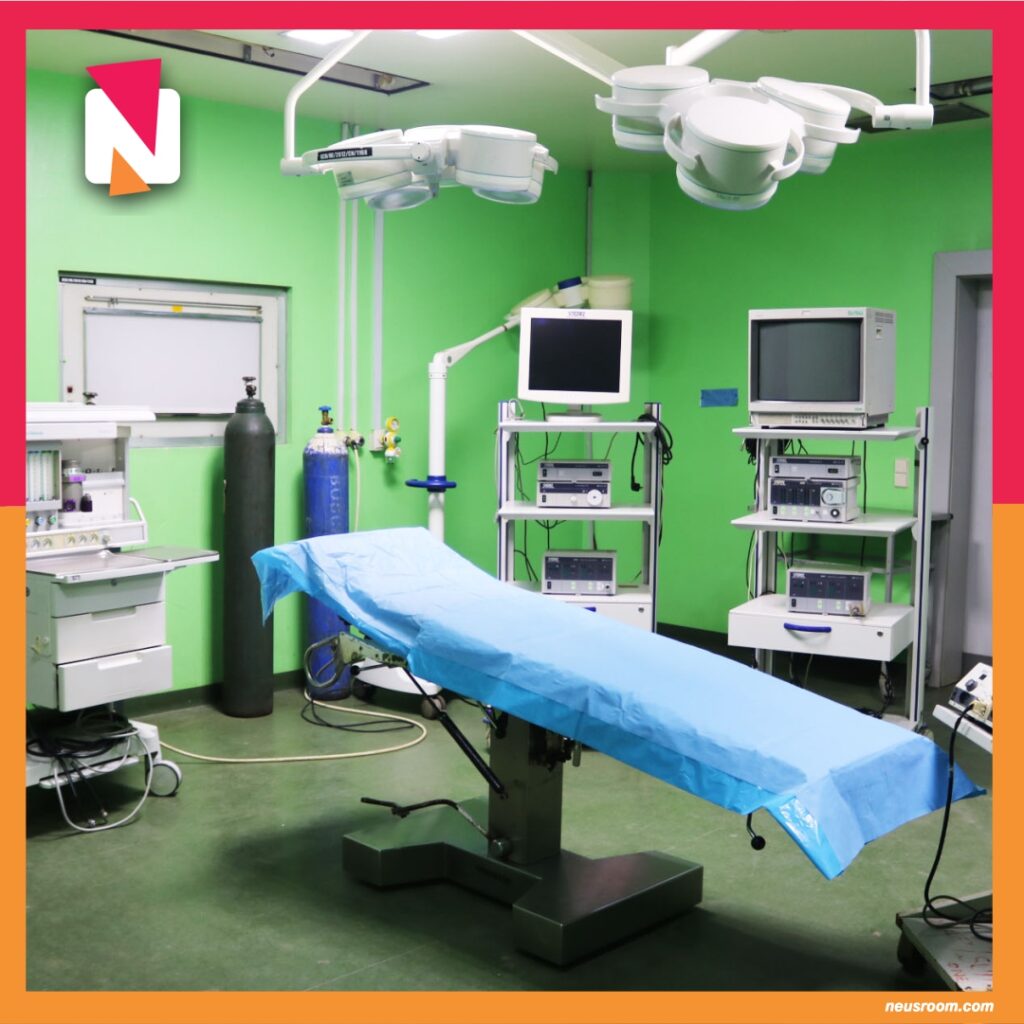
UCH Surgery Theatre (Photo from UCH)
Patients’ frustration and protest
The blackout’s impact rippled throughout the hospital. The operations of the Universal Laboratories in UCH, once state-of-the-art, ground to a halt. “We simply could not get patients’ test results fast enough,” a doctor told Neusroom. A report by The Punch, a Nigerian national newspaper, describes how turnaround times ballooned from six hours to an excruciating 72 to 80 hours and handwritten reports, prone to clerical errors, replaced the precision of digital systems.
One concerned patron, Mr Ismail Mohammed, explained that his father was not attended to because the test result was not out. “We did a test for almost two weeks now, but the result is not yet out. They have been telling us the same story of ‘no light’ and ‘no light’ since then. The doctors cannot attend to him till the result is out, and that is the most painful thing. We are supposed to have left the hospital before now if the result was out.”
While there are many other complaints from patients, Neusroom can confirm that patients did not always have the luxury of getting their test results from the more expensive but faster private laboratories operating in Ibadan because they are not as trusted as the world-class laboratories in UCH. “I must admit that most of us (UCH doctors) don’t trust the results from outside laboratories so we insist on the results from our own laboratories. You can imagine how patients must feel having to wait that long,” a UCH doctor told Neusroom.
For those who managed to receive their test results on time, the struggle was far from over if they required surgery. The surgical procedures, some of which could only be conducted in a hospital like UCH, were scheduled based on the availability of a generator that operated for only six hours on its designated days—three times a week—leaving emergencies in limbo.
A 2023 partnership between the hospital, the Rotimi Akeredolu Foundation, and SAO Energy led to the commission of a solar-powered dialysis centre. Yet, the doctors who spoke to Neusroom said this was not enough, understandably, because this innovative setup was never meant to sustain an entire teaching hospital bereft of electricity.
In a desperate move after a direct instruction from the Federal Ministry of Health, the hospital management installed solar-powered light bulbs in the wards, offering scant illumination to allow nurses to administer medications after sunset. While this was a welcome development, the patients and staff on the ward had to endure the hot and mostly sunny days of November, December, and January in Ibadan. The heat, unmitigated by proper ventilation, left everyone sweltering in the wards and consulting rooms, and sources told Neusroom that patients resorted to bringing their solar-powered fans to the wards while medical students and staff shuffled with hand fans during ward rounds.
Harrowing working and living conditions for staff
Despite the relentless hardships, UCH remained the most trusted general hospital in Ibadan—a lifeline for thousands, despite its failing infrastructure. “We still had patients coming in their hundreds daily, and we are not supposed to refer them to outside organisations.”
This only compounded the burden on overworked doctors and resident staff. “I am a House Officer, the foot soldier on the Doctor’s chain of command in UCH. I have been on call almost everyday for a month,” one doctor confided in Neusroom. House Officers are the newly inducted doctors, and they interact with the patients more than any other doctors. This doctor, a graduate of another University, does not regret his choice and is excited to have met world-class surgeons. Yet, he is exhausted with the workload because newly inducted doctors are avoiding UCH because of the working conditions, so the patient-to-doctor ratio has significantly increased.
While UCH officials did not respond to inquiries about referrals, a senior practitioner at UCH confirmed that UCH frowned on doctors making referrals but disagreed that newly inducted doctors were avoiding the hospital because of the power situation. However, sources told Neusroom that the doctors currently undergoing residency training were perhaps the unfortunate ones during this period. This is because they could not meet the required number of procedures to qualify for their examinations and would have to take them at a later date.
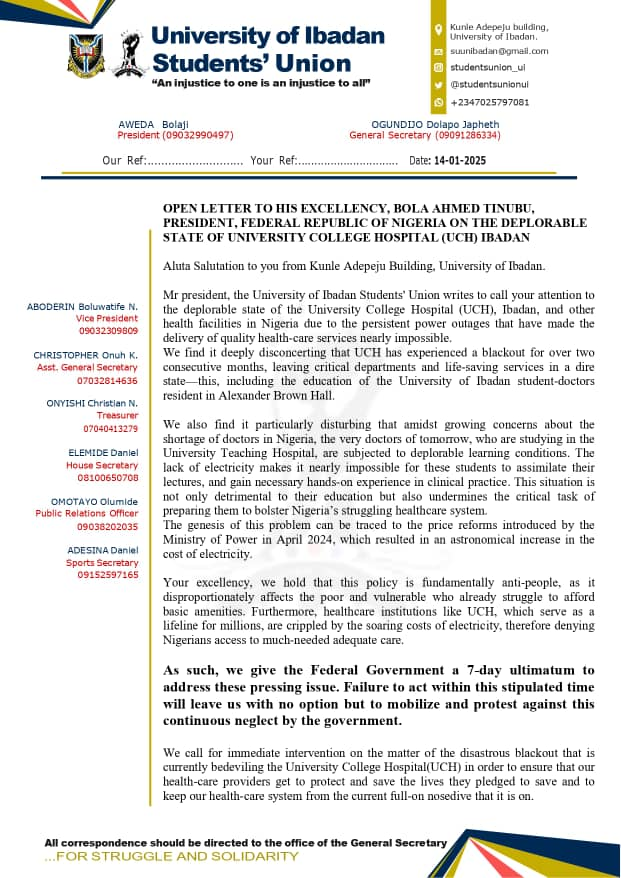
The 1st page of a letter from the UI SUG to President Tinubu on the poor living conditions in UCH (Photo: UI SUG)
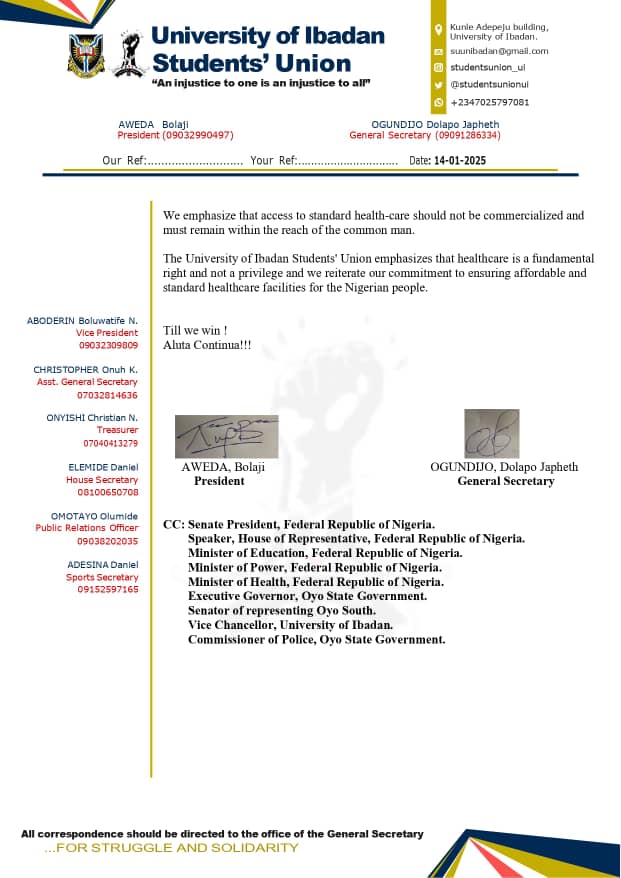
The 2nd page of a letter from the UI SUG to President Tinubu on the poor living conditions in UCH (Photo: UI SUG)
The strain was not confined to the patient and medical staff. UCH, also a revered training ground for future doctors, dentists, and physiotherapists, saw its student body bear the brunt of the crisis. Hundreds of medical students who reside in Alexander Brown Hall struggled to get management to provide help when the power situation persisted.
Eventually, a diesel generator which provided power for only an hour in the early morning and a few hours late at night was made available after negotiations and a donation of more than 2 million Naira from ex-students.
With an unsustainable consumption of around 100 litres of diesel per day, the temporary fixes quickly crumbled, prompting protests from desperate students. “We had to go to the Catholic hostel to charge our devices or pay as much as 500 naira to have them charged,” one student revealed under anonymity.
The situation worsened in early 2025 and reports that Professor T.O. Ogundiran, the Provost of the College of Medicine and the UCH CMD forbade students from protesting forced them to suffer in silence until the Student Union Government of the Univesity of Ibadan joined them in solidarity and protested their living conditions, after resident doctors protested for not having light in their quarters.
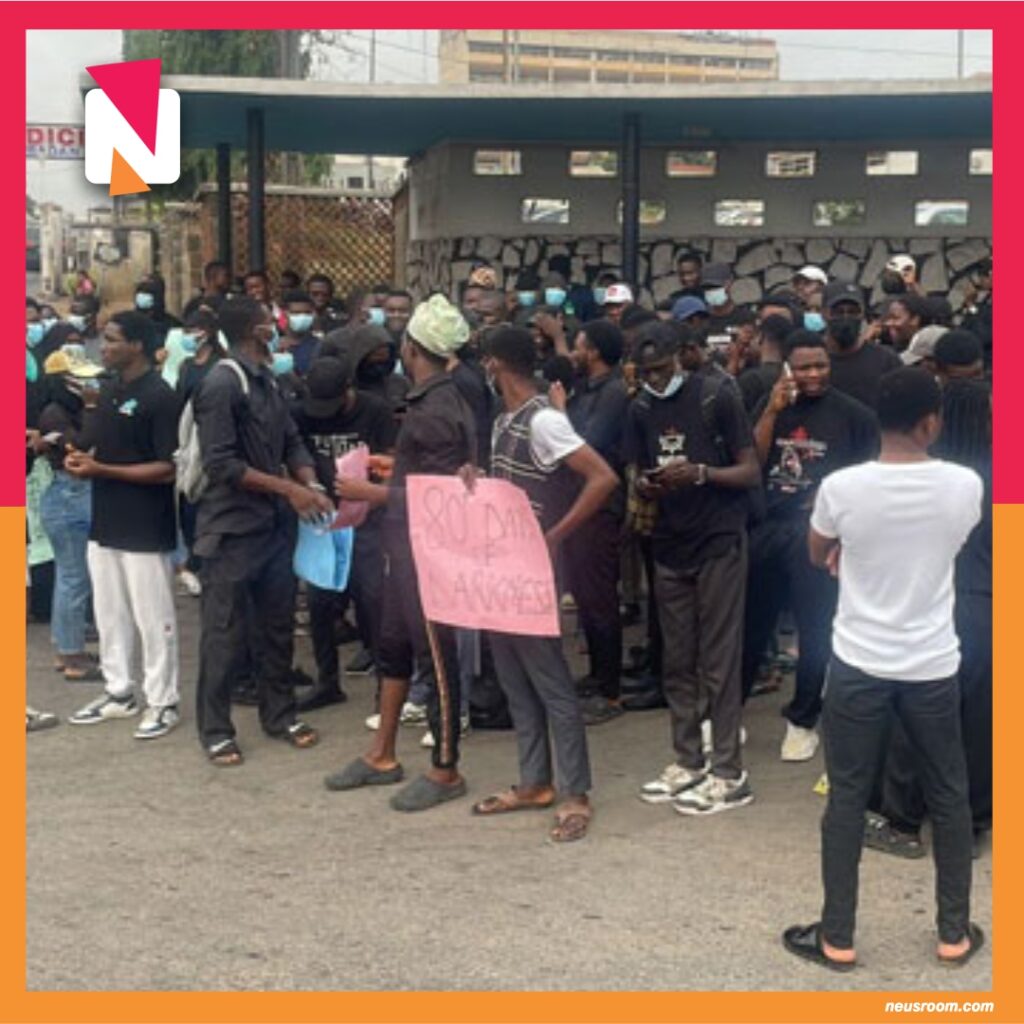
College of Medicine Students protesting the lack of power supply (Photo from UIMSA Press)
The College of Medicine students who joined the protests were forced to put on face masks to protect their identity amid fear of sanction.
The intervention of Bayo Adelabu, a former central banker and gubernatorial aspirant who is now the minister of power, led to a restoration of light in those areas.
Federal Ministry of Health Responds to UCH Darkness Crisis
An official from the UCH told Neusroom officially that “there is no power crisis anymore” but did not address other inquiries about referrals, student protests, and more. However, the Federal Ministry of Health & Social Welfare, via its Director of Hospital Services, Dr. Salaudeen Jimoh Mni, has detailed a series of urgent measures aimed at rectifying the situation.
“The Federal Ministry of Health & Social Welfare has asked the UCH to go solar, and they have started it. To actualize this directive, the UCH has embarked on a Solar mini-grid to generate electricity. For its sustainability, patients will pay a very small amount of money, which will be pooled together for its maintenance. This mini-grid will be installed within the UCH,” he said.
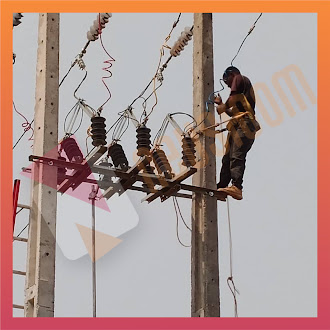
Electrical work being carried out in UCH (Photo from the Federal Ministry of Health)
This initiative is not isolated to the UCH—federal tertiary hospitals across Nigeria have been directed to adopt solar solutions, with potential partnerships with solar providers and additional support from philanthropists already in motion.
He also informed Neusroom that there is no legal prohibition preventing doctors from referring patients to other healthcare facilities that can provide the necessary care. “On referrals, no Law says patients cannot be referred to a healthcare facility that can provide the care.“
The Ministry also denied that patients died due to the power outages and that the hospital has been reconnected with the national grid, thanks to the intervention of the Minister of Power.
“Now that the Power problem has been resolved, the academic works continue unhindered“
Yet, even with these emergency measures, Neusroom can confirm that the power supply in UCH is sporadic at best. Our journalists spent consecutive hours in UCH, and there was no power supply throughout. Residents claim they get power supply in the residential areas for about 6 hours daily.
“Before all of this began, we were on Band A, now it is like we are on Band D. We only have light for a few hours everyday,” lamented one resident.
As Nigeria’s first teaching hospital continues to grapple with its power crisis, the wounds inflicted on patients, doctors, and students remain fresh and unresolved. Neusroom will continue to follow this story as UCH and government officials work to address the ongoing crisis and restore the lifelines to one of Nigeria’s most critical medical institutions.