
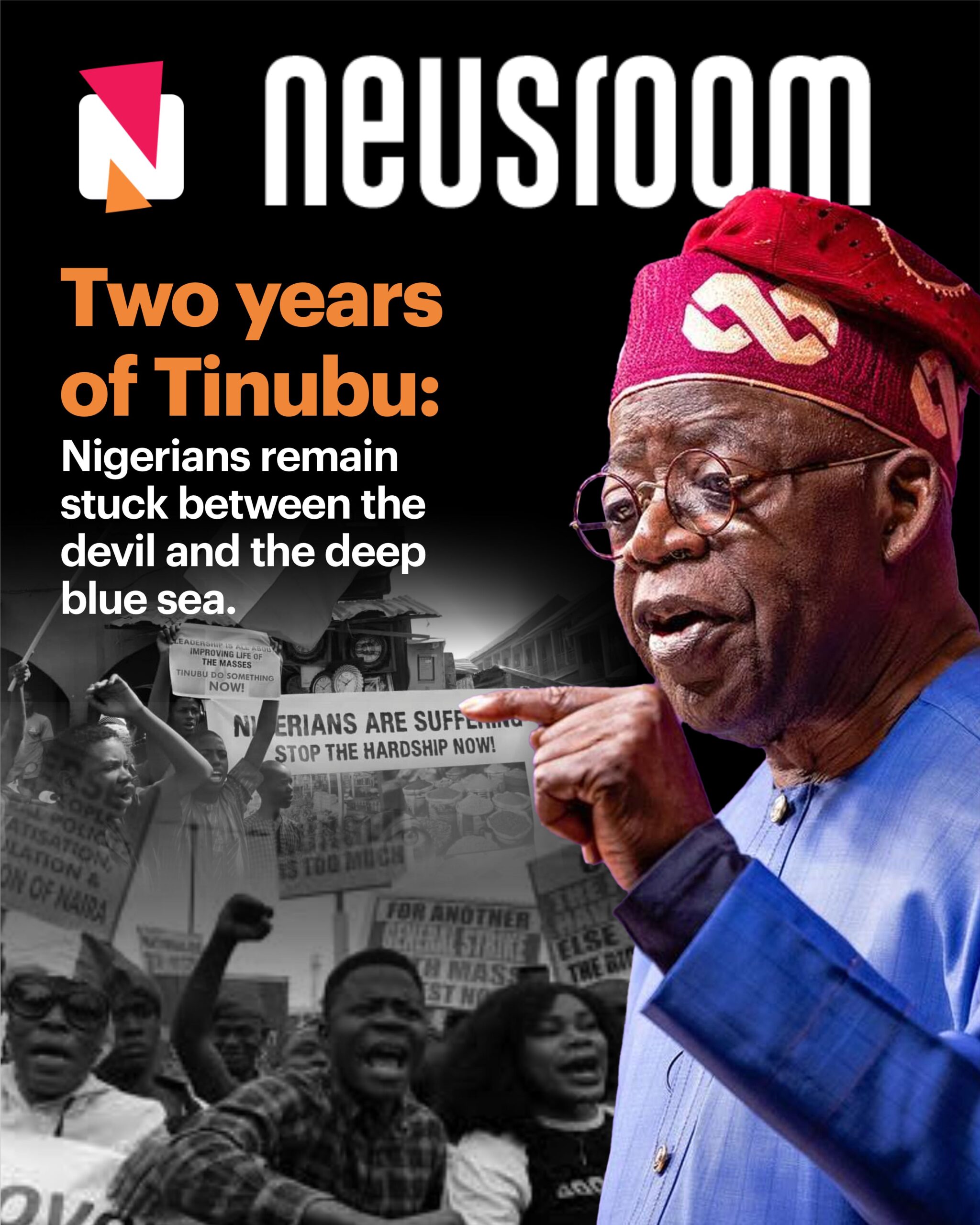
Two years of Tinubu: Nigerians remain stuck between the devil and the deep blue sea
The majority of Nigerians are stuck between bitter reforms and the elusive path to recovery after two years of Bola Ahmed Tinubu’s presidency, writes Tomiwo Ojo, exclusive to Neusroom.
Written by Tomiwo Ojo for Neusroom
May 29, 2025
It feels simultaneously like a lifetime and a blink of an eye since President Bola Ahmed Tinubu took the oath of office on the 29th of May 2023, promising ‘Renewed Hope’.
As we mark the midway point of this term today, the national mood is a collective, weary sigh. While I am writing from Lagos, Nigeria, the air across the country is thick with the smog of economic hardship, and there is a palpable, pervasive sense of unease about what tomorrow holds
From the outset, Tinubu embarked on a path of shock therapy.
On the day he was sworn in, he gleefully announced bold, decisive reforms: the abrupt removal of the decades-long fuel subsidy, the ambitious unification of foreign exchange rates, and he told all Nigerians that these policies were necessary, if bitter, medicine that will benefit us in the long run.
The narrative, echoed by technocrats and politicians close to the administration, framed these moves as a transition from painful but essential reforms towards an inevitable recovery. The argument goes: tackle structural distortions head-on, stabilise the macroeconomy, attract investment, and eventually, prosperity will follow.
It’s a narrative grounded in economic theory, a textbook case for long-term gain. Many of the President’s supporters are quick to remind Nigerians that this was the same strategy that helped transform Lagos state, under Tinubu’s leadership, to become Africa’s economic hub today.
Just last week, the CBN announced that there are signs of a slowdown in inflation, and it held the benchmark interest rate at 27.5% for the second time in a row. Perhaps, somewhere in the corridors of power or within complex econometric models, the green shoots of this recovery are visible. Maybe the President and his core supporters are right, and the foundation for a more sustainable future is being laid.
But step outside those corridors, away from the data, spreadsheets, analysis of technocrats, and onto the streets of Lagos, Kano, Port Harcourt, or Aba, and the taste of recovery remains stubbornly elusive. For the average Nigerian, the past two years haven’t felt like a transition to recovery, but a descent into deeper struggle. The “necessary medication” has induced severe side effects, and the promised relief is nowhere in sight.
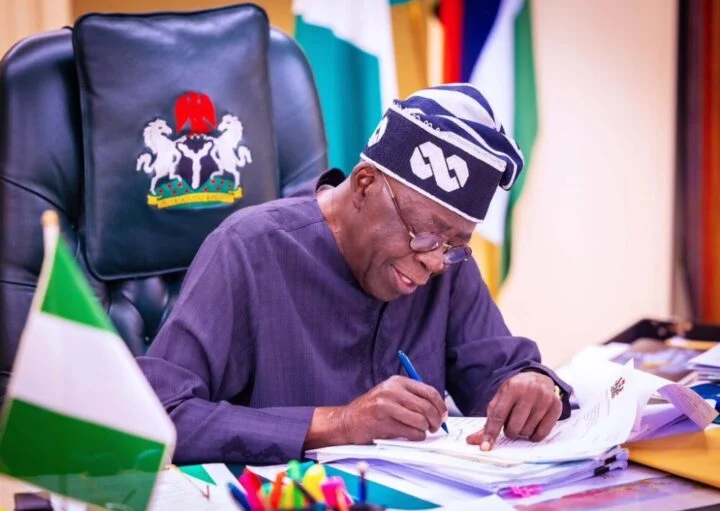
President Tinubu (File Photo)
Compared to where we were in 2023, Inflation hasn’t just risen; it is on the moon, and basic necessities have now become luxury goods. Food prices have become a daily source of anxiety, transport costs eat deeper into already inadequate incomes, and the dream of stable employment feels increasingly distant for many graduates. Small businesses, the supposed engine of the economy, are struggling to remain afloat, thanks to high operating costs and reduced consumer purchasing power. The common refrain isn’t about future potential; it’s about surviving today.
So, where does that leave the “renewed hope” agenda?
Is there any substance to the optimism, any reason for Nigerians, battered but resilient, to believe things might actually get better? Finding concrete reasons feels like searching for a needle in a haystack, especially when critical assessments, like this Neusroom fact-check on the President’s anniversary speech, seem hard to come by, leaving citizens grappling with narratives potentially skewed towards “hype” over “hope.”
Yet, some proponents point to potential silver linings. The decisiveness of the reforms, however painful, signals a willingness to tackle issues previous administrations shied away from.
So, maybe the infrastructure projects, such as the coastal highway and others, often touted in official communications, would eventually yield tangible benefits. Perhaps the efforts to stabilise the economy, while slow and unfelt by most Nigerians, will eventually attract the kind of investment that creates real, long-term jobs. These are the threads of hope some cling to – the belief that the current suffering is a temporary price for a fundamentally stronger economy down the line.
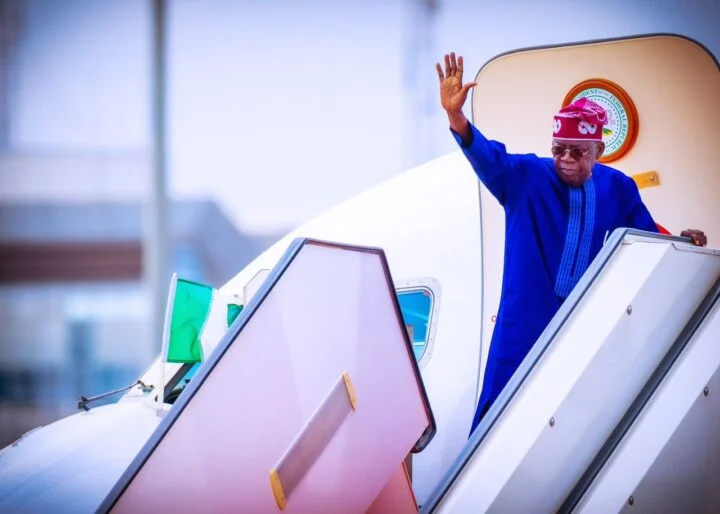
President Tinubu waves to supporters ahead of one of his trips out of the country. (Photo: The Presidency)
But this is where the disconnect also lies, and allow me to point out a recurring theme in Nigerian politics. There’s a wide gap between the language of macroeconomic policy and the language of lived experience. While officials speak of fiscal consolidation and market-driven rates, citizens can only relate to hunger and the unaffordable costs of basic items.
This gap isn’t just economic; it’s empathetic. The trend of Nigerian politicians often appearing detached from the daily struggles of the populace, relying on grand pronouncements rather than relatable solutions, persists. It fuels cynicism, making even genuine efforts seem like political manoeuvring.
I do not take joy in talking Nigeria down, and it is in our best interests to support this government, regardless of how you voted during the election, hype our nation and seek positivity in all areas, because negativity can be corrosive. Yet, kindness to the nation shouldn’t mean silence in the face of suffering or uncritical acceptance of official narratives.
True patriotism demands acknowledging the hardship, questioning the timelines, and demanding accountability.
Two years into the Tinubu administration, the nation stands at a critical juncture. The government argues it has administered the tough medicine and recovery is around the corner. The people, however, are still reeling from the side effects, their patience wearing thin.
Hope, if it exists, needs more than promises; it needs proof. It needs to be felt not just in figures from the CBN or NBS, but in the price of bread, the availability of jobs, the safety of the streets, and the ability of ordinary Nigerians to dream beyond mere survival.
The path ahead remains uncertain. Governing Nigeria is undoubtedly complex, but the ultimate measure of success won’t be found in economic reports alone. It will be measured in the tangible improvement of Nigerian lives.
Until then, the question remains: is this the necessary pain before the gain, or just more of the same, wrapped in the language of reform?
The jury, composed of millions of struggling Nigerians, is still out.